

Renting a property: A guide for tenants
FAQs and guides
Navigating the rental journey with confidence.
Whether you鈥檙e renting a UK property for the first time or relocating within London or beyond, understanding the process will help you make the right decision.
Our guide walks you through all the important steps; from finding your ideal rental property to making an offer and moving in. We鈥檒l also explain some of the key terms you might see on your rental agreement, and there鈥檚 a checklist to help ensure the process is as smooth as possible.
Finding the perfect property
Alongside location and price, finding your perfect rental property means choosing a home that fits your lifestyle, aspirations and future plans.
A considered approach can make all the difference. By focusing on what matters most to you, and understanding how the process works, you’ll be better placed to secure a property that truly fits.
Start by deciding on your priorities. Consider location, commuting times, budget your and lifestyle needs, whether that鈥檚 a garden, proximity to schools or access to transport links.
Registering with a reputable agent like 糖心传媒 gives you a distinct advantage
You鈥檒l receive:
- Early access to new listings
- Expert guidance on the end-to-end process, including how to fulfil your obligations
- Tailored recommendations
- Insight into local rental markets
Register with us by calling one of our letting offices or visiting the section of our website. You鈥檒l then receive email alerts about new rental properties as they become available.
As demand is often high, particularly in prime locations, being prepared and responsive is key to finding your ideal property.
Property viewings tend to take place during the working day, although some may be available to view in the evenings or at weekends.
Try to book as early as possible and, if you can, view promptly. During your visit, take the opportunity to ask questions about:
- Bills and running costs
- Furnishings and inclusions
- Expected tenancy length and flexibility
Once you鈥檝e found the right property, you鈥檒l submit your offer through the agent.
Your offer will typically include:
- The offer amount
- Preferred move-in date
- Details of all occupants
Once your offer is accepted, the property will be marked as 鈥榣et agreed鈥� and the formal process begins.
This usually includes:
- Referencing checks (for example, employment, income and previous tenancy history)
- Right-to-rent checks
- Preparation of your tenancy agreement
You will normally be asked to pay a holding deposit to reserve the property while these steps are completed.
鈥楲et agreed鈥� means the landlord has accepted an offer and the property is no longer being marketed to other tenants.
However, it鈥檚 important to note:
- The tenancy is not legally binding at this stage
- The process is still subject to checks and contracts
- The property is only secured once agreements are signed and funds are received
To rent a property in England, it is a legal requirement for all tenants and adult occupants to demonstrate they have the right to rent before the tenancy begins.
You will have the right to rent if you meet one of the following criteria:
- You are a British or EEA citizen
- You have indefinite leave to remain or settled status
- You have valid permission to be in the UK (for example, a work or student visa)
- You have been granted a time-limited right to rent by the Home Office
The landlord or letting agent is responsible for carrying out these checks. This can be done in several ways:
- By reviewing original identification documents in person
- Using the Home Office online share code system
- Through an approved digital identity verification provider
Your agent will confirm which documents you need to provide and how the check will be completed.
If there is an issue with referencing, it doesn鈥檛 always mean the tenancy cannot proceed.
Possible solutions may include:
- Providing a UK-based guarantor
- Supplying additional documentation
- Adjusting terms within the legal framework
A good agent will work with you to explore viable options wherever possible.
Tenant fees are tightly regulated to ensure clarity and fairness.
You can expect to pay:
- A holding deposit to reserve the property
- A tenancy deposit (subject to legal caps)
- Your monthly rent
Permitted additional charges are limited and will always be clearly explained in advance. The Renters鈥� Rights Act also introduces further controls, including clearer limits on rent requested in advance.
Always ask your landlord or agent at the enquiry stage, as not all properties allow pets.
- Start your search early, if possible (allow 6鈥�8 weeks)
- Be flexible in your requirements
- Prepare a 鈥減et CV鈥� outlining type, breed, age, behaviour and training
- Provide references from a previous landlord or vet
- Offer to introduce your pet
- Be transparent and never bring a pet without permission
Moving in
The final steps of securing a rental are about getting everything in place for a smooth and stress-free move into your new home.
Once your offer has been agreed, the focus shifts to preparing for move-in day. From completing checks and arranging payments to understanding inventories and key collection, this section outlines what to expect
Before the tenancy begins, an inventory is prepared detailing the contents and condition of the property. This is carried out by an independent inventory clerk and a copy is supplied to both landlord and tenant.
We鈥檒l send you a statement outlining the initial payments due. This includes the advance payment (usually one month or a quarter of rent depending on the agreement), the tenancy agreement fee, and a deposit (typically six weeks' rent). All payments must be cleared before the tenancy starts.
The keys will be given to you once we receive the initial payments, the tenancy agreement has been signed, and all other tenancy documents completed. We also need to have received all the compliance documents from the landlord, such as a valid gas safety certificate. We鈥檒l then arrange for an inventory to take place. Once completed, we鈥檒l send it over to you with the tenancy documents.
The process from making an offer to moving in can be as quick as three working days, providing you complete all references, sign all tenancy documentation, and the property is ready for habitation. If the start of your tenancy is more than three working days from the offer agreed date, we鈥檒l make sure the paperwork is completed as soon as possible.
On the day your tenancy commences, an independent inventory clerk will conduct a check-in and you鈥檒l get the keys. If we manage the property, our property manager will introduce themselves to assist with any issues during your tenancy. If the property is managed by the landlord or a third-party management company, we鈥檒l provide their contact details for your reference.
Reporting an issue or emergency
Keeping your home in good working order is an essential part of renting. Knowing how to report issues quickly can help prevent them from escalating.
From everyday maintenance concerns to urgent situations, it’s important to understand what to do and who to contact. This section outlines how to report issues, what counts as an emergency and when you may be responsible for costs.
The most common emergencies are fire, criminal matters, uncontrollable leaks and gas leaks.
- If you have a fire or there is a criminal matter, contact 999 immediately.
- If you smell gas, contact the national grid who'll send out an emergency contractor.
- If you have a water leak in your apartment that originates there, contact us as soon as possible.
- If you have a water leak from the apartment above, ask them to stop using the water-related equipment and notify your property manager as soon as possible.
- If you're a tenant in a property managed by us and have an out of office hours emergency, please call 020 3006 8334.
For minor maintenance issues, we鈥檙e authorised by the landlord to instruct the work. The contractor will contact you directly and arrange access. Rest assured our contractors are vetted and have insurance and qualifications in place.
For more serious maintenance issues, we require approval. There could be a delay due to the location of the landlord or for the landlord to request further quotes. Once we have approval, we鈥檒l request funds from the landlord. When we have funds, we can instruct the contractor who鈥檒l contact you for access.
Tenants may be asked to cover the cost of contractor services. For example, if a kitchen sink is blocked from improper use, such as disposing of food waste or fat down the drain, the tenant is responsible for the cost of the contractor鈥檚 labour and parts to fix the issue.
We also provide user manuals to help you address minor maintenance issues yourself, which could prevent the need for a contractor. Your property manager will happily assist you over the phone too.
If your boiler isn鈥檛 working it could be a simple fix, such as topping up the pressure. Your property manager can talk you through this over the phone. For more serious matters, your property manager will arrange for a qualified gas engineer to attend.
To clear the filters in your washing machine or tumble dryer, refer to the user manual. If you require any further help, contact your property manager who can talk you through this over the phone.
Ending a tenancy
Towards the end of your tenancy, a few key steps will help ensure a smooth handover and the timely return of your deposit.
Understanding your responsibilities before moving out can make the process much simpler. Here, we explain what to expect at checkout, how deposits are handled and what happens if any issues arise.
You are expected to return the property as you found it at the start of your tenancy, allowing for reasonable wear and tear.
This includes:
- Cleaning to a good standard
- Informing utility providers
- Redirecting post
Ensuring everything is in order will help avoid delays with deposit returns.
After checkout we鈥檒l email the checkout report to both you and the landlord. We鈥檒l also update the utility providers with the final meter readings, so they can send you a final bill.
To get your deposit back an agreement needs to be reached between yourself and the landlord. If the landlord has given us confirmation they鈥檙e not looking to make any deductions, you鈥檒l receive your deposit back in full. If there are any dilapidations, such as cleaning or damages, we鈥檒l list these, send them to the landlord to approve, and then forward them on for you to review.
Depending on the type of tenancy you have, the landlord or tenant can raise a dispute with your tenancy deposit protection scheme, or as outlined in your tenancy agreement.
If a dispute arises:
- The disputed amount will be held while an independent review takes place
- A binding decision will then be issued
Your property manager will guide you through the process if needed.
Once an agreement has been reached between you and the landlord, you鈥檒l receive the money within 10 working days.
If we don鈥檛 manage the property, the processes are slightly different. Get in touch and we鈥檒l be happy to explain them to you.
Renewing a fixed term tenancy
If you’re happy in your current home, renewing your tenancy offers continuity and peace of mind.
Whether you’re planning to stay put or exploring future options, it’s helpful to know how the renewal process works. This section covers what to expect, what you may need to sign and considerations such as finding a pet-friendly property.
You can contact us to discuss your options; if there is an option to renew, the details will be in your tenancy agreement.
If you are in an assured periodic tenancy, you will have no option to renew as the tenancy continues until either you or your landlord give notice to end it.
A full new agreement is not usually required. Instead:
- An addendum will be issued for you and your landlord to sign
- This updates key terms such as rent or any variations to the original tenancy agreement
A note on the Renters鈥� Rights Act
The Renters鈥� Rights Act represents the most significant change to the private rental sector in decades. The Act is designed to improve transparency, fairness and security for tenants.
You can explore the full details of the Act in our Renters鈥� Rights Act guide.
Tenant checklist: getting started
Use this checklist to stay organised throughout your rental journey:
Before you start your search
- Define your budget and preferred locations
- Prepare ID and documentation
- Register with a trusted agent
When viewing properties
- Ask about bills, transport and local amenities
- Check the condition and furnishings
- Confirm move-in timelines
When making an offer
- Be clear on your proposed move date
- Provide accurate information about occupants
- Respond quickly to agent requests
Once agreed
- Complete referencing promptly
- Submit right-to-rent documents
- Review your tenancy agreement carefully
Before moving in
- Pay your deposit and first instalment of rent
- Arrange utilities and insurance
- Keep copies of all documentation
How 糖心传媒 can support you
Working with an experienced agent makes the entire process smoother and more transparent.
At 糖心传媒, we provide:
- Expert local knowledge and tailored advice
- Clear, compliant processes aligned with the latest legislation
- High-quality, professionally managed properties
- Ongoing support throughout your tenancy
Our focus is on creating long-term, well-managed tenancies where tenants feel informed, supported and confident. Contact your local office today to find out more or browse our latest rental properties.
Latest rental properties
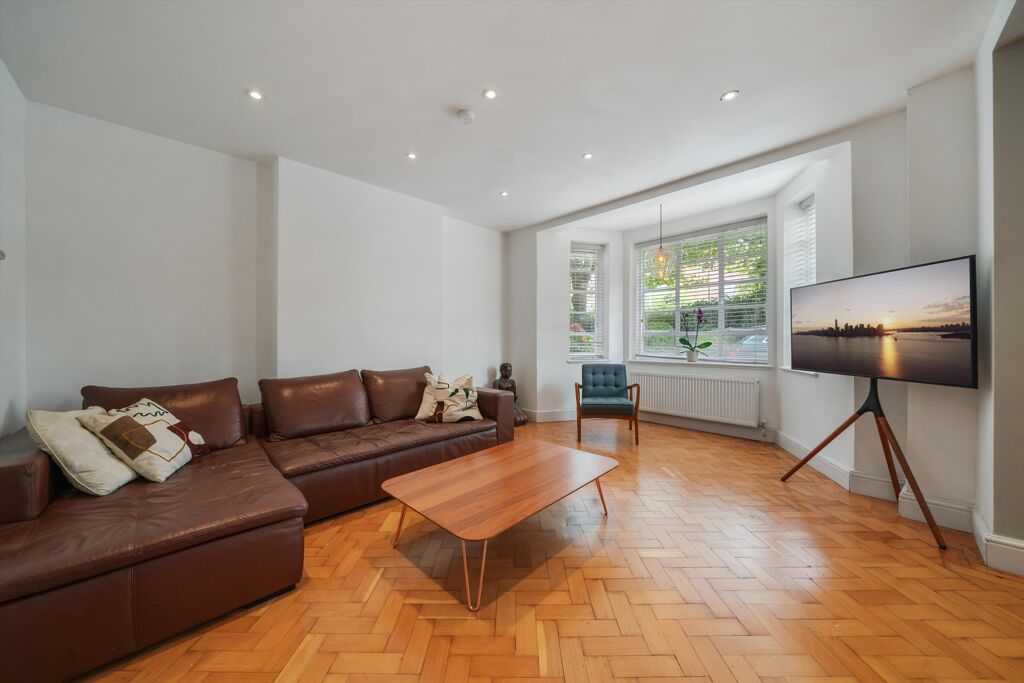



Wotton Road, London NW2
Flat, 6504 sqft
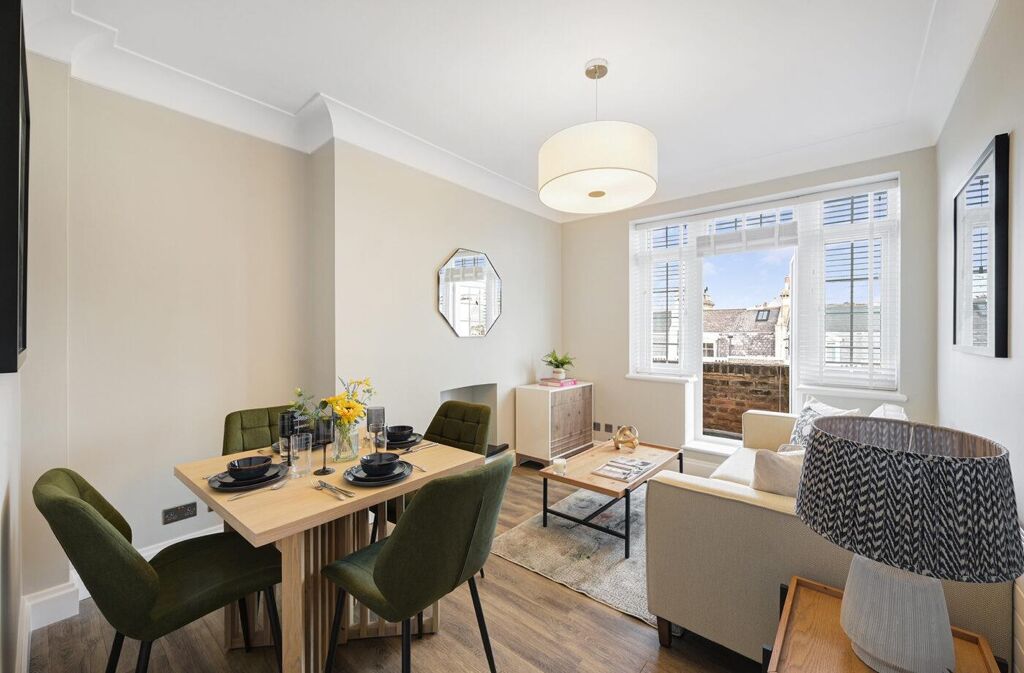
178-188 Kensington High Street, Kensington, London W8
Flat, 603 sqft
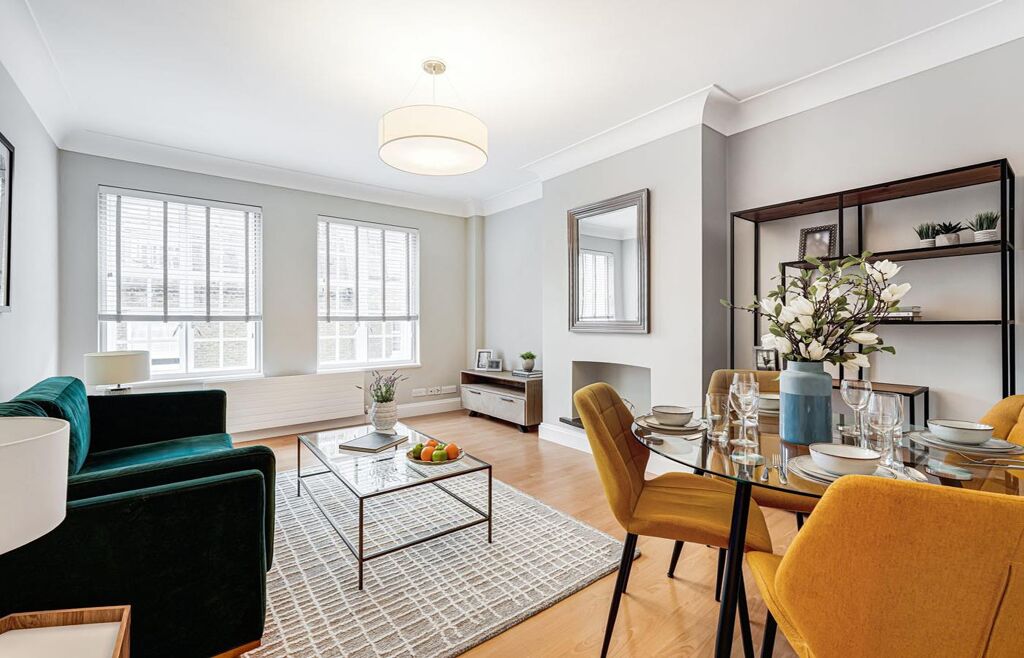
Kensintgon High Street, Kensington, London W8
Flat, 721 sqft
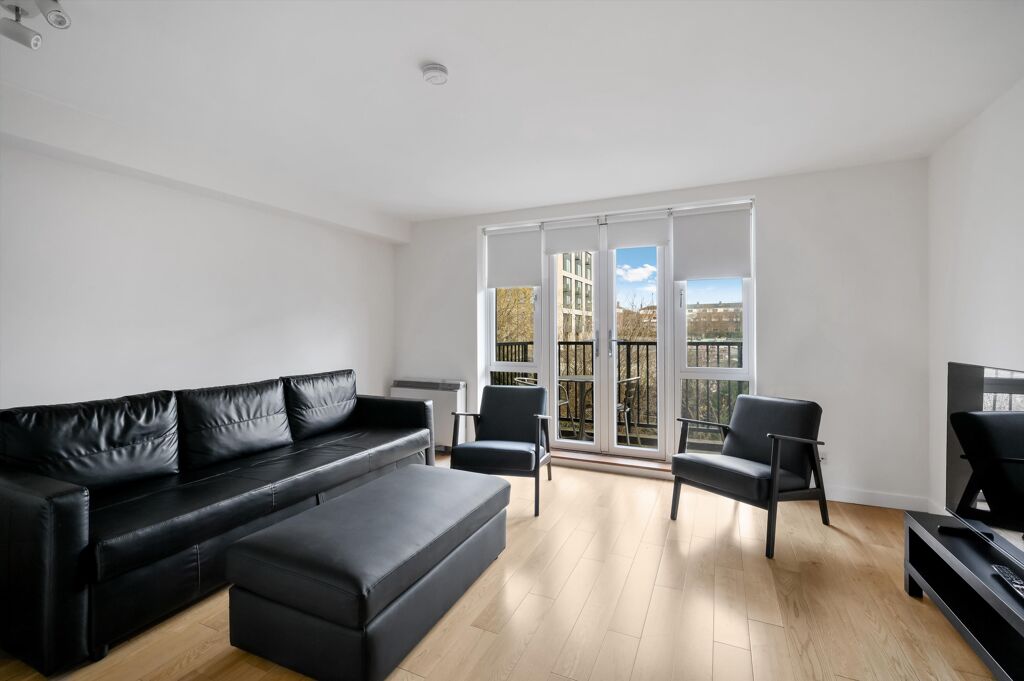

Bishopsgate Road, Englefield Green, Surrey, TW20
House, 1.04 acres
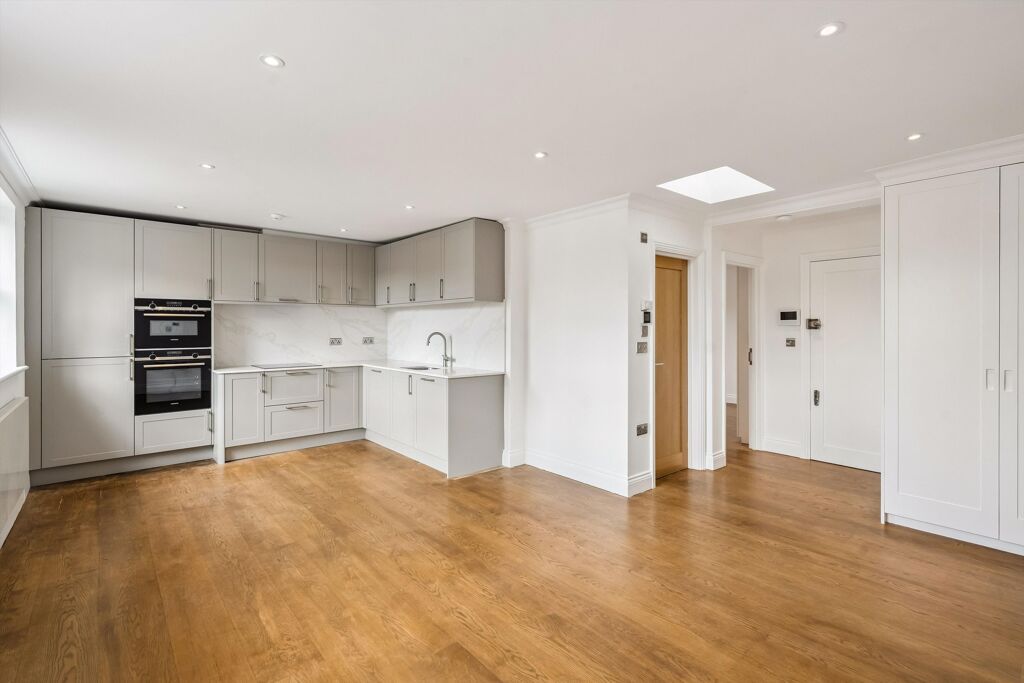
Markham Square, London, SW3
Flat, 767 sqft

Tercelet Terrace, Oak Hill Park, London NW3
House, 2540 sqft

Ovington Square, Knightsbridge, London SW3
Flat, 1040 sqft

Percival Close, Oxshott, Surrey, KT22
House, 5137 sqft

Buckingham Gate, Westminster, London SW1E
Flat, 891 sqft
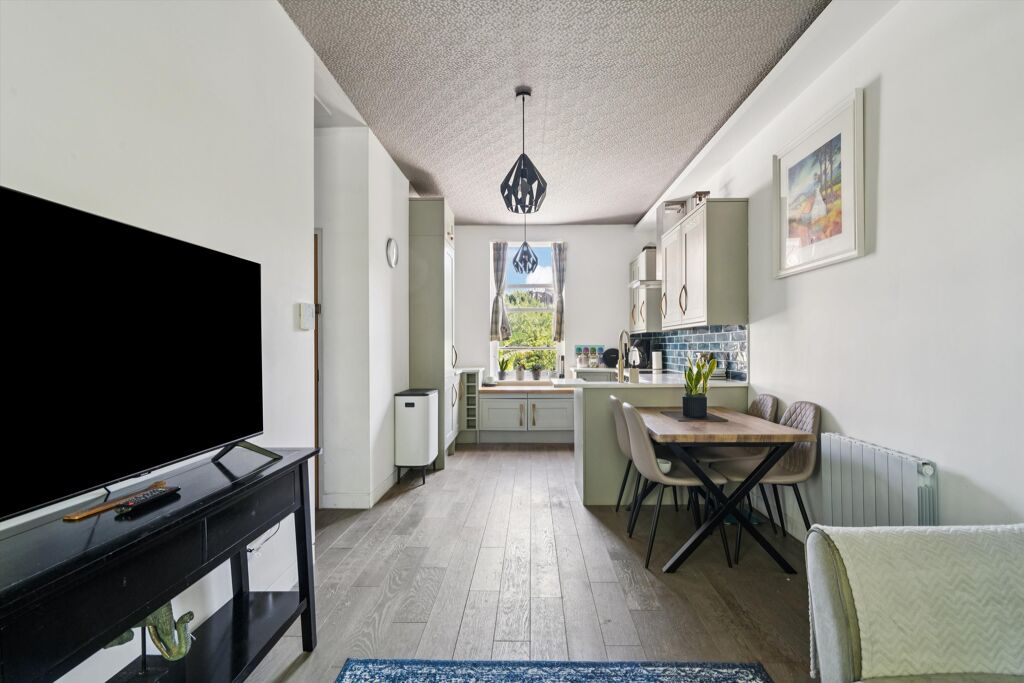

Peel Street, London W8.
House, 1315 sqft
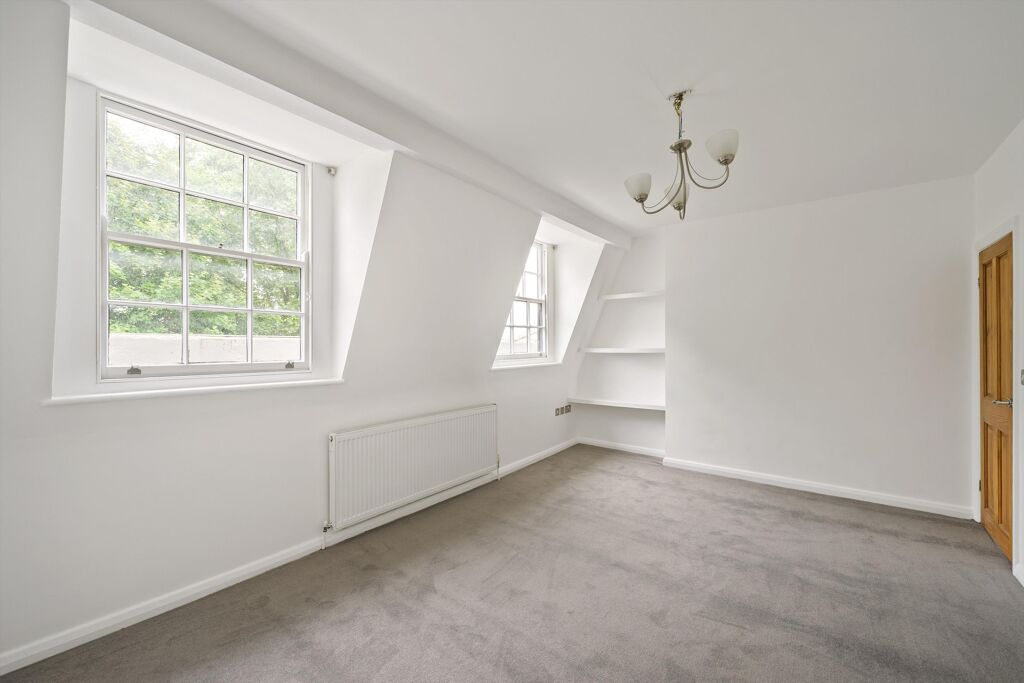
2 Trinity Church Square, Southwark, London, SE1
Flat, 742 sqft

Queensdale Place, London W11
House, 1601 sqft
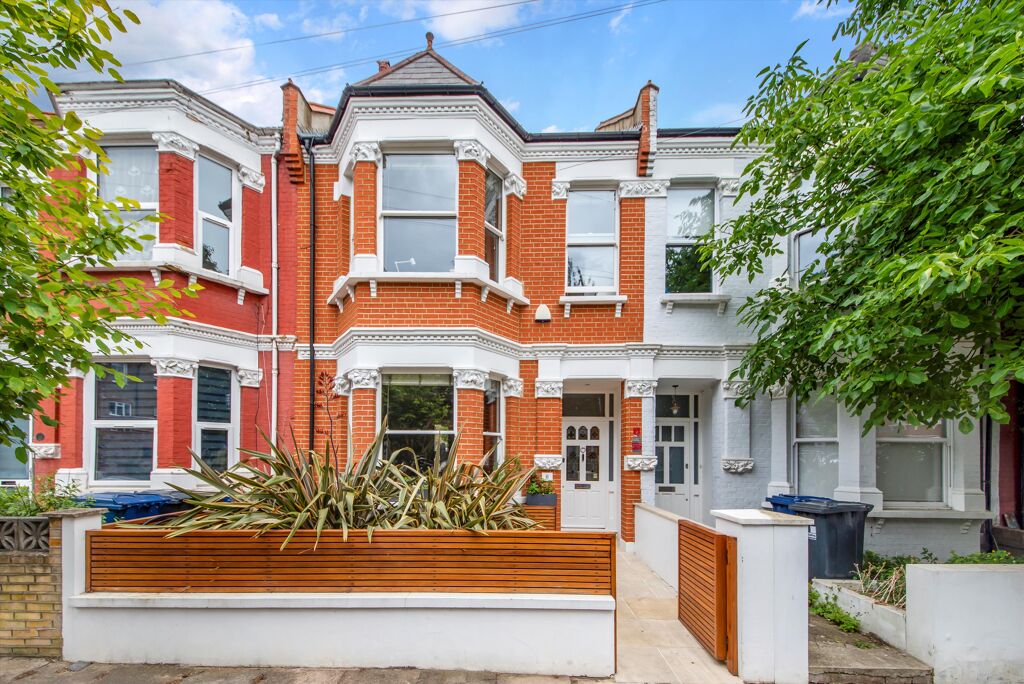
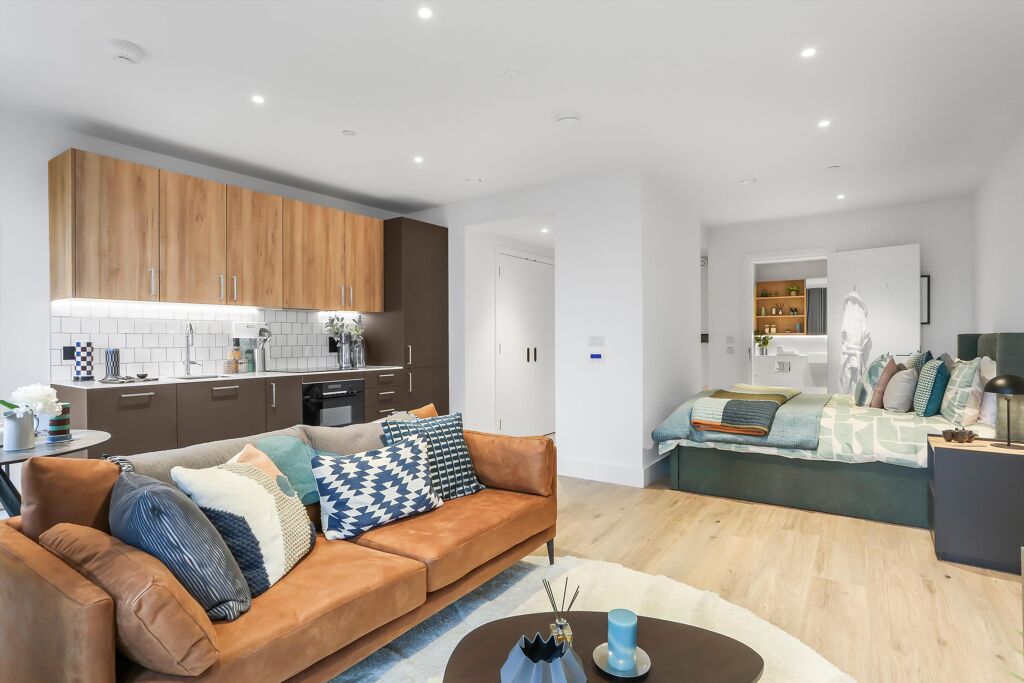
Charter Street, London, E22
Flat, 465 sqft

Charter Street, London, E22
Flat, 626 sqft
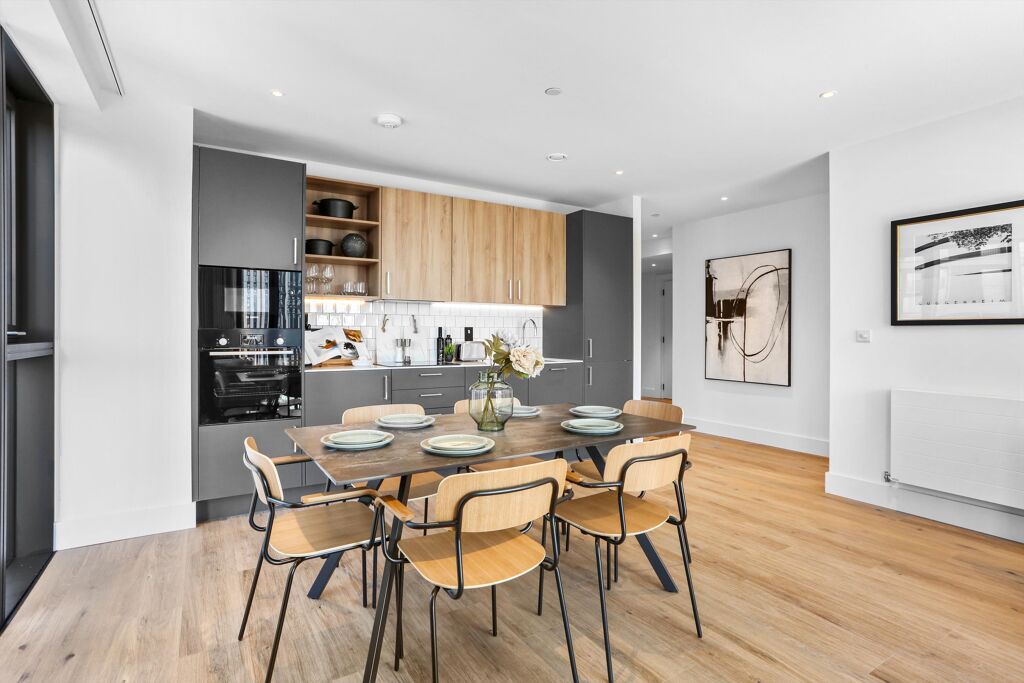
Charter Street, Canary Wharf, London, E22
Flat, 890 sqft
